


Most executives do not need more things to remember.
They need fewer things to think about.
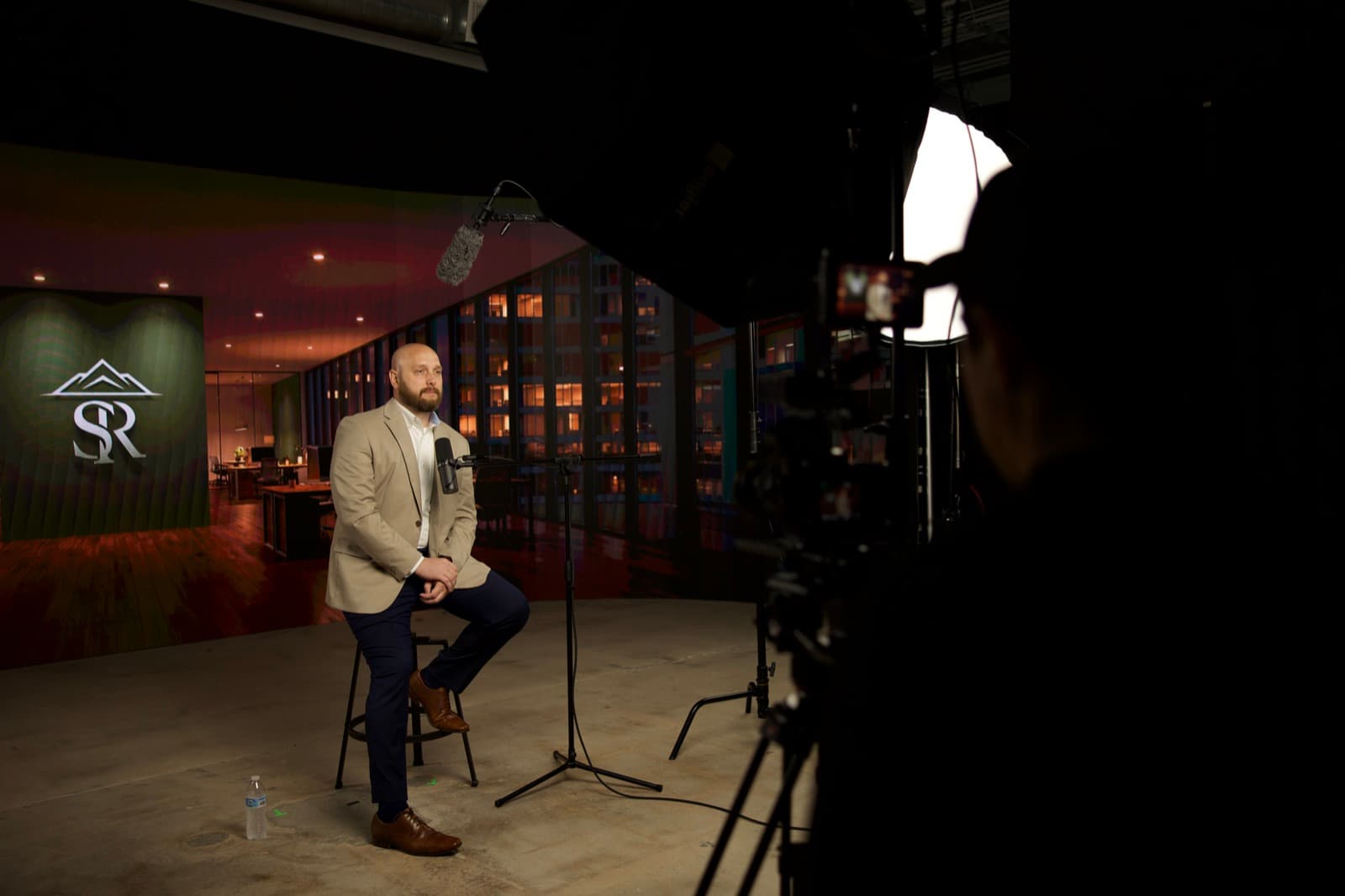
A camera, lights, microphones, a room full of people, and a list of approved messages can make a capable person sound like they are reading a legal disclaimer. Good preparation lowers the pressure so the speaker can focus on the idea.
Send a one-page prep note
Long preparation packets create homework. Most busy leaders will skim them in the car or five minutes before the interview.
A useful one-page note should cover:
- why the interview is being recorded
- who will watch it
- the main topics
- how long the session will take
- whether answers can be repeated
- what to wear
- what to bring
- where to go
- who to contact on arrival
Add one sentence that explains the atmosphere:
This will be a guided conversation. You do not need to memorize answers, and we can repeat anything that does not feel right.
That line does a lot of work.
Prepare topics, not polished paragraphs
When someone memorizes a paragraph, they often begin monitoring every word. The delivery gets tighter. One missed phrase can throw off the whole answer.
A topic map is usually more useful.
For each subject, give the executive:
- the question or theme
- the one point the audience needs to understand
- a story, example, or proof point worth mentioning
- any claim, number, or phrase that must be exact
For example:
Topic: Why this program matters
Core point: It gives frontline managers a faster way to get help
Useful example: The moment a regional leader used the program during a staffing issue
Exact fact: Approved participation figure
The speaker can answer in their own words while staying inside the message.
Decide whether the person should look at the interviewer or the lens
This changes the feeling of the piece.
Looking slightly off camera toward an interviewer feels conversational. It works well for documentaries, customer stories, recruiting films, and most brand interviews.
Looking directly into the lens feels like the speaker is addressing the viewer. It fits announcements, fundraising appeals, training, scripted messages, and personal social content.
Tell the executive where to look before the first question. Do not make them guess while the camera is rolling.
Use a teleprompter for the right kind of message
A teleprompter is useful when wording must be precise.
Examples include:
- legal or compliance language
- a direct announcement
- a fundraising appeal
- a short welcome
- a tightly timed campaign line
- a message in a second language
It is less helpful when the goal is reflection, storytelling, or a natural answer.
A good hybrid approach is common: interview the person for the main story, then use the teleprompter for the short lines that need exact wording.
If a teleprompter is involved, write for speech. Short sentences. Natural contractions. Clear breaths. Large text. A script that reads well on a page may still sound stiff out loud.
Protect the room
The number of people watching can change the quality of the interview.
Keep the room to the crew and one essential client representative when possible. Additional stakeholders can monitor from another room or review afterward.
Side conversations, laptop typing, whispered notes, and people walking through the speaker's eyeline make concentration harder.
The interviewer should also be the only person directing the executive during the answer. Competing notes such as “more energy,” “slow down,” and “say it exactly like this” can create a tense loop very quickly.
One calm voice is better.
Build a realistic schedule
A 20-minute interview does not fit into a 20-minute calendar hold.
Allow time for:
- arrival and settling in
- microphone and final appearance check
- a short explanation of the process
- warm-up questions
- the main interview
- pickups or scripted lines
- a portrait or direct-to-camera clip if included
- release and departure
For many executive interviews, a 45 to 60 minute block is more comfortable. The production plan may need more or less depending on the person, the script, the number of topics, and the approval environment.
Prioritize the questions before the executive arrives:
- must have
- useful
- optional
Ask the most important questions while attention and time are still available.
Start with an easy memory
The first question should help the person begin talking, not prove that they studied.
Try:
- When did this project first feel real to you?
- What do you remember about the first conversation?
- Who is this work meant to help?
- What problem were people dealing with before this existed?
A familiar memory gives the speaker somewhere to go. It also helps the interviewer hear their natural pace and language.
Ask for stories before slogans
Executives often arrive with high-level language because that is how they speak in meetings.
Words such as innovation, culture, impact, and excellence can be true. They become more believable when the speaker connects them to a person or moment.
Follow up with:
- Can you give me an example?
- When did you see that happen?
- Who was affected?
- What changed afterward?
- What did that feel like in the room?
- What would the audience have noticed?
The specific detail is usually where the human answer begins.
Help the answer stand on its own
In the final edit, the viewer may never hear the question.
Ask the speaker to include enough context in the answer.
Instead of:
Because it gave them more time.
Aim for:
The new process gave our nurses more time with patients.
Do this through the question when possible. Repeating “Start by saying...” before every take can make the person self-conscious.
Let silence do its job
Do not jump in the moment the speaker stops talking.
A pause may mean they are thinking. The next sentence is often more direct and more personal than the first answer.
Leave two or three quiet seconds after an answer. Editors will thank you, and the speaker may keep going.
The interviewer should listen closely enough to follow the interesting thread rather than racing through a printed list.
When the executive is nervous
Lower the stakes first.
Remind them:
- this is recorded, unless it truly is live
- answers can be repeated
- pauses are useful
- the interviewer will guide the conversation
- the edit will use the strongest moments
Then simplify the next step. Ask one short question. Remove extra people. Stop adjusting tiny details in front of them.
Give specific encouragement:
- The example about the customer made that clear.
- That shorter answer felt natural.
- The sentence about your team is the one we needed.
“Be more natural” is not useful direction. It gives the person another thing to worry about.
Avoid playing back every answer. Constant review can shift attention away from the message and toward appearance, voice, or tiny imperfections.
Wardrobe guidance that people can actually use
Ask the executive to bring two options when possible.
Recommend:
- solid colors or restrained patterns
- clothes that fit comfortably while seated
- a layer that works with the background
- minimal noisy jewelry
- a backup shirt or jacket
Avoid making hard rules unless the set requires them. Small patterns can create visual interference. Bright white or deep black may be harder to light in some setups. Green can be a problem on a green screen. Brand colors and the background also matter.
Tell the person whether a microphone will be clipped to clothing. Dresses, delicate fabrics, tight collars, and certain jewelry can affect audio placement.
Comfort shows on camera.
A forwardable executive checklist
Before the shoot
- Read the purpose and topic list
- Confirm the audience
- Review any facts that must be exact
- Choose two wardrobe options
- Bring glasses if needed for a teleprompter
- Flag pronunciation, accessibility, or mobility needs
- Arrive with enough time to settle in
During the interview
- Look at the interviewer or lens as directed
- Speak in complete thoughts
- Use examples
- Pause when needed
- Repeat an answer when it can be clearer
- Ask for the question again if needed
For the production team
- Keep the room small
- Explain the process
- Start easy
- Ask one question at a time
- Listen for the story
- Protect the executive's time
- Capture required lines before the schedule gets tight
What this means for the interview
The best preparation creates confidence without over-rehearsing the person.
Give the executive a clear destination, a calm room, and an interviewer who can listen. Handle the technical details around them. Make room for the answer to become more human than the talking points.
That is usually where the strongest line comes from.